
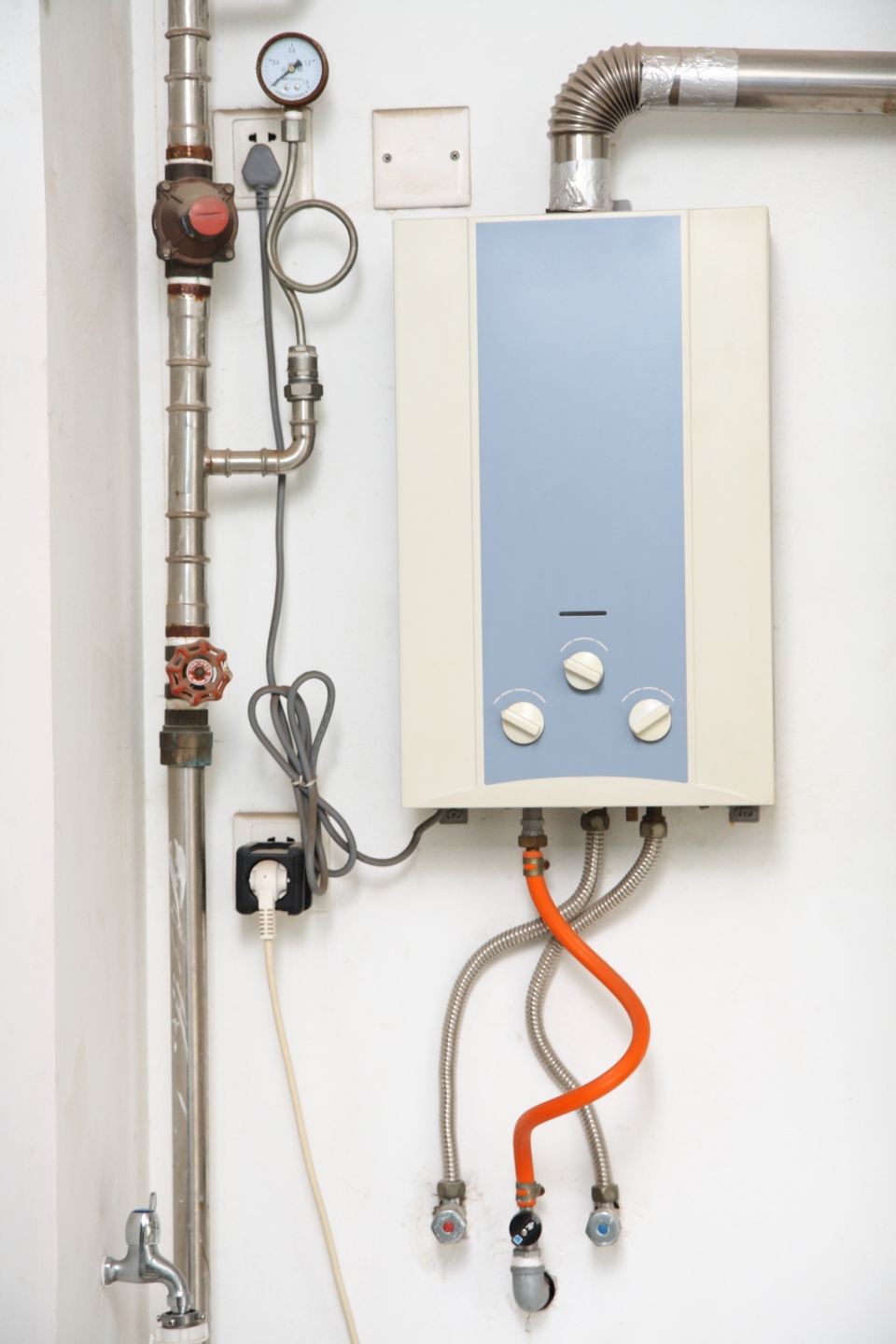
Everyone wants more energy efficiency for their home, but they don’t want to sacrifice conveniences for it. Old tank water heaters may not be the best option for many households in Delaware, and that’s okay, because tankless systems are an option. With tankless systems, there is an elimination of the storage tank and the standby energy losses that come with it, resulting in improved efficiency and a continuous hot water supply.
Water heater replacement in Sussex County, DE should benefit you and your accessibility to hot water while lowering energy bills at the same time. Let’s find out which unit makes more sense for your home by comparing some benefits of each.
Is a Tankless Water Heater Better Than a Traditional Tank?
- On-demand hot water: Heats water only when needed, so you do not run out during high usage.
- Improved energy efficiency: Eliminates standby heat loss from stored water, reducing monthly utility costs.
- Longer lifespan: Often lasts 20 years or more with proper maintenance, compared to 8 to 12 years for tank models.
- Compact design: Wall-mounted units save space and fit easily in smaller utility areas.
- Higher upfront investment: Installation costs can be higher, but long-term energy savings may offset the difference.
Do Tankless Water Heaters Save Money?
You can position your tankless water heater closer to your main water usage area to shorten the amount of time that it takes to actually feel hot water come out of a faucet or showerhead.
Tankless units can be placed on the wall in your kitchen since they don’t take up much space. You don’t waste money on water and heating by purging cold water from the line for a long time in this instance, especially with a tankless setup in tight spaces. Tankless units are more expensive to install. However, rebates or incentives from utility companies or government programs may be available to help offset the initial cost of installing a tankless water heater.
Installation Costs: Tank vs. Tankless Water Heaters
Tankless water heaters save you a great deal of money over time, but not at first. Tankless units are more expensive to install. The purchase price and the price of parts is higher than tank water heaters.
Depending on the specific unit and intricacies of your installation (such as if you’re moving the location of the water heater), tankless can be up to two times more expensive. This varies per project. Still, the upfront tankless cost pays off for many homeowners in the long run.
It’s best to calculate the lifetime savings and benefits before deciding on tank or tankless. Let’s cover that now.
Types of Tankless Water Heaters
When it comes to upgrading your water heating system, most tankless water heaters offer a range of options to fit different household needs. Unlike a traditional storage tank, these units deliver continuous hot water right when you turn on a hot water faucet, thanks to a heat exchanger that instantly heats cold water as it flows through the device. But not all tankless water heaters are created equal—let’s break down the main types so you can find the right model for your home.
Condensing Tankless Water Heaters:Condensing models are the most efficient tankless water heaters available. They use advanced technology to capture and reuse heat from exhaust gases, which means less energy is wasted and more is used to heat your water. This makes them ideal for larger households or anyone with high hot water demand. While condensing units are typically more expensive upfront, their superior efficiency and lower operating costs can save you money in the long run by reducing standby energy losses.
Non-Condensing Tankless Water Heaters:Non-condensing tankless water heaters are a more budget-friendly option. They don’t recycle exhaust heat, so they’re not quite as efficient as condensing models, but they still provide the core advantage of on-demand hot water without the need for a bulky tank. These units are a good fit for smaller households or situations where hot water demand is lower.
Electric Tankless Water Heaters:If your home doesn’t have access to natural gas, electric tankless water heaters are a practical alternative. They’re generally less expensive to purchase and install compared to gas-powered models, and they’re perfect for smaller spaces or point-of-use applications. However, keep in mind that electric units may have higher operating costs, especially in areas with high electricity rates.
Gas-Powered Tankless Water Heaters:Gas-powered tankless water heaters, fueled by natural gas or propane, are known for their high flow rates and energy efficiency. These units are great for households that need to supply hot water to multiple fixtures at once, like running a shower and a dishwasher simultaneously. Proper installation and venting are essential for safe operation, so make sure you have the right gas supply and permissions before installing.
Hybrid Tankless Water Heaters:Hybrid models combine the best of both worlds, offering the compact design and efficiency of a tankless system with some of the storage capacity of a traditional tank. This makes them a versatile choice for homes with varying hot water needs, helping to offset energy use during peak demand.
Point-of-Use Tankless Water Heaters:For instant hot water at a specific location—like under a sink or next to a shower—a point-of-use tankless water heater is a smart solution. These small units are installed right where you need them, reducing water waste and waiting time, especially in remote or low-flow areas of your home.
When choosing the right tankless water heater, consider factors like your household size, climate, hot water demand, and available fuel sources. Proper installation is key, and you may need permission from local authorities to ensure everything is up to code. Many modern tankless water heaters also offer optional features such as descaling systems and remote monitoring, which help maintain efficiency and extend the life of your unit.
By selecting the right model for your needs, you can enjoy the advantages of continuous hot water, lower energy bills, and a more efficient home water heating system—without the wasted energy and space of a traditional tank.
Operating Cost Differences Based on Household Usage
Every gallon of hot water you produce with a tankless water heater saves you money vs. a gallon produced with a traditional tank water heater. By installing a tankless system, homeowners can achieve greater energy savings and optimal performance compared to traditional tank models. But does it really matter for your specific use case? Is the impact big enough to justify the higher upfront cost?
According to the Energy.gov website, “For homes that use 41 gallons or less of hot water daily, demand (or tankless) water heaters can be 24% to 34% more energy efficient than conventional storage tank water heaters…” (A tankless water heater is also known as a demand water heater.) Before you make your decision, consider the daily savings with tankless use.
If you’re the only one using your water heater, tankless water heaters may not provide as much annual savings. Larger families with higher hot water consumption benefit from tankless units the most. Tankless water heaters provide a continuous flow of hot water, ensuring an uninterrupted supply whenever you need it. They are designed for continuous use, making them ideal for households with high or constant hot water demand. However, each tankless water heater has a maximum flow rate, which may limit the amount of hot water available for simultaneous use in larger households. For example, if multiple showers are running at the same time, the flow rate limit might prevent all fixtures from receiving hot water at full capacity.
Before you decide on tank vs. tankless based on your own personal water consumption alone, there’s one more point you need to consider.
Lifespan Comparison: Tank vs. Tankless Water Heaters
A traditional tank water heater lasts for anywhere from 6–13 years with proper maintenance. Maintaining a tankless water heater with regular upkeep is essential to ensure it reaches its average lifespan of around 20 years and operates at peak efficiency.
If your water heater broke down and needed to be replaced at the 10-year mark, you would replace it with a new one, and your 20-year expense on tank water heaters would equal the same (or slightly more) than the cost of a tankless system.
Plus there’s the breakdown itself, which may result in water damage to your home, and the time cost of replacement. Tankless water heaters are definitely more viable in the long run.
How to Choose Between Tank and Tankless Water Heaters
Tankless water heaters have their advantages, although it may not work for your family depending on your preferences and current system. However, there are also some disadvantages to consider when choosing a tankless water heater, such as potential flow rate limitations or installation complexities. Either way, we’re here to install whichever system you deem best for your household.
Frequently Asked Questions
Question: What are the key differences between tank and tankless water heaters when replacing my old unit?
Answer: Traditional tank water heaters store and continuously heat a set amount of water, while tankless models heat water on demand as it flows through the unit. Tanks cost less upfront but use more energy, tankless units cost more initially but are typically more efficient and save energy over time.
Question: How does the cost compare when replacing a water heater with a tank versus a tankless model?
Answer: Tank water heaters are usually cheaper to buy and install, often ranging from lower upfront costs. Tankless systems have higher purchase and installation costs but can reduce long-term operating expenses due to energy savings.
Question: Will switching to a tankless water heater improve energy efficiency?
Answer: Yes, tankless water heaters avoid standby heat loss by heating water only when needed, which can significantly boost energy efficiency and lower utility bills compared to conventional tank models.
Question: How does hot water availability differ between tank and tankless heaters?
Answer: Tank heaters store a set amount of hot water and may run out during heavy use. Tankless heaters provide hot water on demand without storage, delivering a continuous supply as long as capacity isn’t exceeded.
Question: What factors should I consider when deciding which type of water heater to replace with?
Answer: Consider your budget, household size, hot water demand, energy costs, and available space. Tanks are simpler and cheaper upfront, while tankless units offer long-term savings, space savings, and efficiency benefits.
Contact us today to install a new tankless or standard tank water heater today. Whatever makes sense for your family and budget is what we’ll provide to you.