
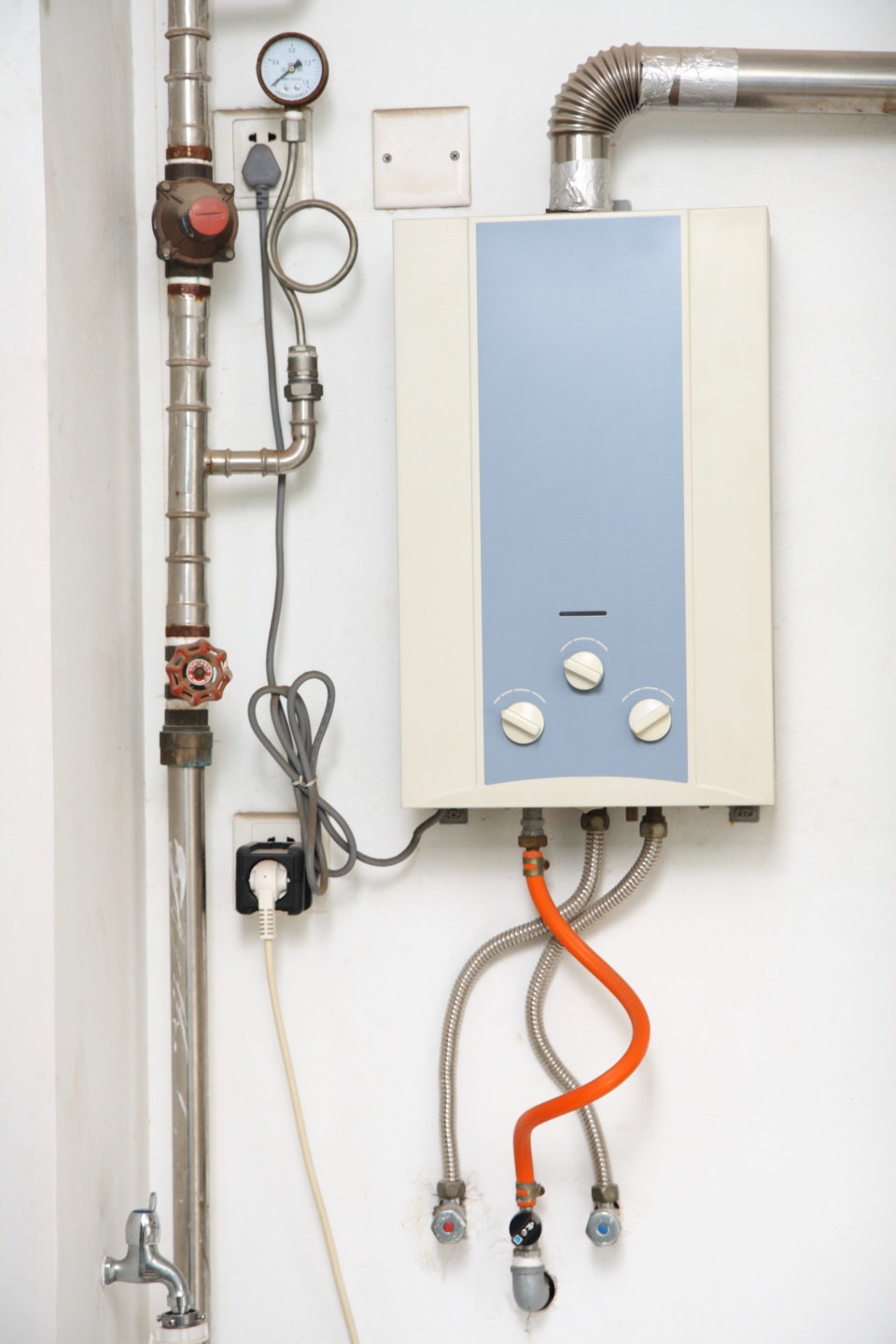
Newer construction often comes with tankless water heaters installed rather than tank water heaters, but how come? We know they’re great, but are they really that great or what?
Compared to traditional storage tank models, tankless water heaters offer several advantages, such as greater energy efficiency, higher flow rates in certain scenarios, and operational benefits like endless hot water. While there’s no such thing as perfect, especially when it comes to home plumbing, a tankless water heater is a device that is a step up over tank heaters. They’re seen as the future of home water heating for a reason.
It comes down to this: if you need tankless water heater installation, you should know what the benefits are and be fully aware of all the setbacks. Tankless water heaters are energy efficient due to the elimination of standby heat losses, and they don’t produce the standby energy losses associated with storage tank models. It’s not all sunshine and rainbows, but we’re willing to bet that you’ll also see the benefits of tankless water heaters.
How Tankless Water Heaters Work
Tankless water heaters, sometimes called demand-type or instantaneous water heaters, are designed to deliver hot water only when you need it, no storage tank required. Unlike traditional water heaters that keep a large tank of water hot at all times, most tankless water heaters heat water directly as it flows through the unit. This means when you turn on a hot water faucet, cold water travels through a heat exchanger inside the tankless water heater, where it’s quickly heated by either a natural gas burner or an electric element.
The heart of the system is the heat exchanger, which transfers heat from the gas unit or electric element straight to the water. As soon as you open a hot water faucet, the tankless water heater springs into action, providing a continuous flow of hot water for as long as you need it. Whether you’re running the shower, washing machines, or dishwasher, you’ll get hot water on demand, no waiting for a storage tank to reheat.
One of the biggest advantages of tankless water heaters is their energy efficiency. Because they only heat water when it’s needed, they eliminate standby energy losses that are common with traditional tank models. This makes them a smart choice for households looking to save on energy bills and reduce wasted energy. Plus, tankless water heaters are typically wall mounted, freeing up valuable space in your home and offering flexible installation options, indoors or outdoors, depending on the model and your climate.
However, there are a few factors to consider before installing a tankless water heater. The initial cost and installation can be higher than with a standard tank water heater, since you may need to upgrade your gas line, add venting, or update electrical wiring. It’s important to choose the right model for your household’s hot water demand, as the flow rate of tankless units can be limited if multiple fixtures are used at once. Regular maintenance is also key to keeping your system running efficiently.
Overall, tankless water heaters offer a modern, efficient solution for water heating. With their ability to provide continuous hot water, save energy, and free up space, they’re an appealing option for many homes. By understanding how these systems work and what’s involved in installation, you can decide if a tankless water heater is the right fit for your household’s needs.
Benefits of Tankless Water Heaters
If you’re going to install a tankless water heater, it should be for these reasons. They’re objective benefits that you can compare against your current water heater to see the difference. Tankless water heaters are suitable for the entire household, providing efficient hot water solutions for all occupants.
- Lasts Longer Than Tank Heaters: Storage tank units don’t have the same shelf life/longevity as tankless water heaters. These can last for 30+ years with proper maintenance and repairs.
- Reliable, Consistent Hot Water for Continuous Use: Once it heats up, your tankless water heater just keeps going until you’re done, making it ideal for continuous use. Yes, that means you can stay in the shower for 30 minutes.
- On-Demand Hot Water Supply: Tankless water heaters supply hot water instantly and endlessly, as long as you need it, ensuring your household never runs out during peak times.
- Environmentally Conscious Choice: Less water waste is better for everyone. The environment can’t say thank you, but just know it’s happy with your choice.
- Saves You Energy: When you get your energy bill each month and it shows you how much you used, it can be shocking. Tankless water heaters reduce your energy use.
- Saves Money and Delivers Long-Term Savings: These lead to less water usage, which means you spend less money, plain and simple. You’re not only saving on your water bill, but also your energy bills, resulting in significant long-term savings.
Drawbacks of Tankless Water Heaters
Just because tankless water heaters are an improvement over tank units doesn’t mean they’re free from flaws. There are some disadvantages to tankless water heaters that you should consider.
- Takes a While to Heat Up: Tank water heaters keep hot water constantly available, but tankless have to heat it up as you use it. That means the water heater itself has to fire up. This can take ten seconds, or it can take two minutes, but it is a bit of a bummer.
- There Are Limitations: If you run the sink, shower, and dishwasher at the same time, you can run into a limit on the maximum flow rate or output capacity. The one good thing about storage tanks over tankless is their huge immediate availability. Gas-fired tankless water heaters generally provide higher flow rates, while electric ones may have lower flow rates and can be less suitable for high-demand households.
- Sticker Shock: Tankless water heaters aren’t cheap. Remember that they last for twice as long as a tank water heater, so instead of just comparing the cost between them, match the price up against two tank water heaters. Still, it’s a bit of an upfront investment. Also, consider the operating costs, which can vary depending on the energy efficiency, fuel type, and usage patterns.
- Technical Components: Tankless systems include components like a valve to regulate water flow and ensure proper operation. These parts may require attention or replacement over time.
- Maintenance: Maintaining your tankless water heater is important to ensure efficiency and extend its lifespan. Regular inspection and servicing can help prevent issues and keep the system running smoothly.
- Energy Source: The type of fuel used by your tankless water heater affects both efficiency and cost, so it’s important to choose the right model for your needs.
Is It Time to Switch to a Tankless Water Heater?
You can’t deny the benefits of tankless water heaters. It’s time to make the switch and stop relying on that old tank heater.
Beyond lasting up to twice as long as a tank water heater, endlessly warm showers that never go cold is a pretty big bonus, right? Let’s get you set up with a tankless water heater as soon as possible.
Frequently Asked Questions
Question: What are the main benefits of switching to a tankless water heater?
Answer: Tankless water heaters offer several advantages compared with tank models. They usually last longer, provide continuous hot water for extended use, reduce energy consumption, save space with a compact design, and operate more efficiently since they heat water only when needed.
Question: What are the common drawbacks of tankless water heaters?
Answer: The primary downsides include higher upfront equipment and installation costs, limited output when multiple fixtures run at once, and a short delay while water heats on demand. They may also require professional installation and regular maintenance to prevent mineral buildup.
Question: How does a tankless water heater compare in long term savings?
Answer: Although tankless units cost more initially, they are more energy efficient because they heat water only when it is used. This can lower monthly utility bills, and their longer lifespan may offset the upfront investment compared with replacing traditional tanks more frequently.
Question: Will a tankless water heater run out of hot water?
Answer: No. Tankless systems heat water as it flows, so they do not run out the way storage tanks can. However, the amount of hot water available at one time depends on the unit’s capacity, so heavy simultaneous use may exceed what a single system can supply.
Question: Are tankless water heaters a good choice for everyone?
Answer: They are a strong option for homeowners who want energy efficiency, continuous hot water, and space savings. They may not be ideal for those with limited budgets, very high simultaneous hot water needs, or homes that require major upgrades to support installation.
Contact Atlantic Refrigeration & Air Conditioning, Inc. today to schedule your tankless water heating installation as soon as possible.