
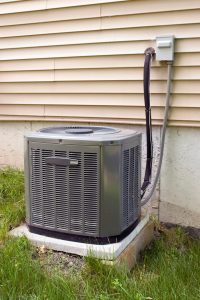
Summer is on its way, and with it will come higher energy bills as we run our air conditioners to stay cool and comfortable. To a certain extent, there’s nothing to be done for it. Running you air conditioner more often in hot weather invariably leads to higher bills. But just because you’re paying more doesn’t mean you should pay more than you should.
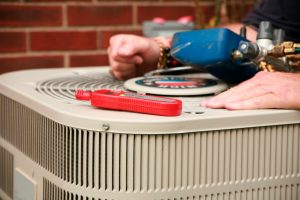 Spring is a good time to make an assessment of your older air conditioner and determine if it needs to be replaced. Years of service usually take their toll on older systems, and months of sitting unused during the winter mean that dust and other contaminants can build up as well. If your air conditioner is ready to be put out to pasture, now is the time to do so. Otherwise, you risk a final, fatal breakdown in
  We’re still digging ourselves out after last week’s big blizzard, which hopefully
 UV stands for ultraviolet, a spectrum of light we can’t see. But we can often feel it when we go out in the sunshine: it’s what causes our skin to tan and burn. At lower levels, UV lights or blacklights are a common fixture at rock concerts, and in dark rides at amusement parks. They interact with chemicals in your laundry detergent to make your white clothes appear to glow in the dark. But UV lights can do more than just provide amusements or help your tan at the beach. They can form a very powerful weapon against germs and colds.
 If you have a forced-air furnace in your home, you’re probably aware of the ducts used to transport the heated air from the furnace itself into the various rooms in your home. (The same ducts are used to convey cool air from your air conditioner in the summer.) They’re usually kept safe behind your walls, in your attic, or tucked away in similar spots. But problems can develop sometimes: leaks can spring up when bolts and seals break down, and in the worst cases, and actual breach can develop. That can be devastating during our cold winters here in