Newer construction often comes with tankless water heaters installed rather than tank water heaters, but how come? We know they’re great, but are they really that great or what?
Compared to traditional storage tank models, tankless water heaters offer several advantages, such as greater energy efficiency, higher flow rates in certain scenarios, and operational benefits like endless hot water. While there’s no such thing as perfect, especially when it comes to home plumbing, a tankless water heater is a device that is a step up over tank heaters. They’re seen as the future of home water heating for a reason.
It comes down to this: if you need tankless water heater installation, you should know what the benefits are and be fully aware of all the setbacks. Tankless water heaters are energy efficient due to the elimination of standby heat losses, and they don’t produce the standby energy losses associated with storage tank models. It’s not all sunshine and rainbows, but we’re willing to bet that you’ll also see the benefits of tankless water heaters.
How Tankless Water Heaters Work
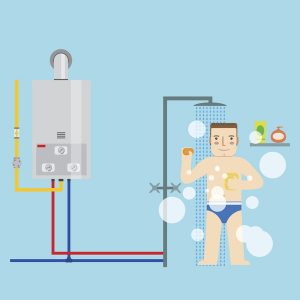
Tankless water heaters, sometimes called demand-type or instantaneous water heaters, are designed to deliver hot water only when you need it, no storage tank required. Unlike traditional water heaters that keep a large tank of water hot at all times, most tankless water heaters heat water directly as it flows through the unit. This means when you turn on a hot water faucet, cold water travels through a heat exchanger inside the tankless water heater, where it’s quickly heated by either a natural gas burner or an electric element.
The heart of the system is the heat exchanger, which transfers heat from the gas unit or electric element straight to the water. As soon as you open a hot water faucet, the tankless water heater springs into action, providing a continuous flow of hot water for as long as you need it. Whether you’re running the shower, washing machines, or dishwasher, you’ll get hot water on demand, no waiting for a storage tank to reheat.
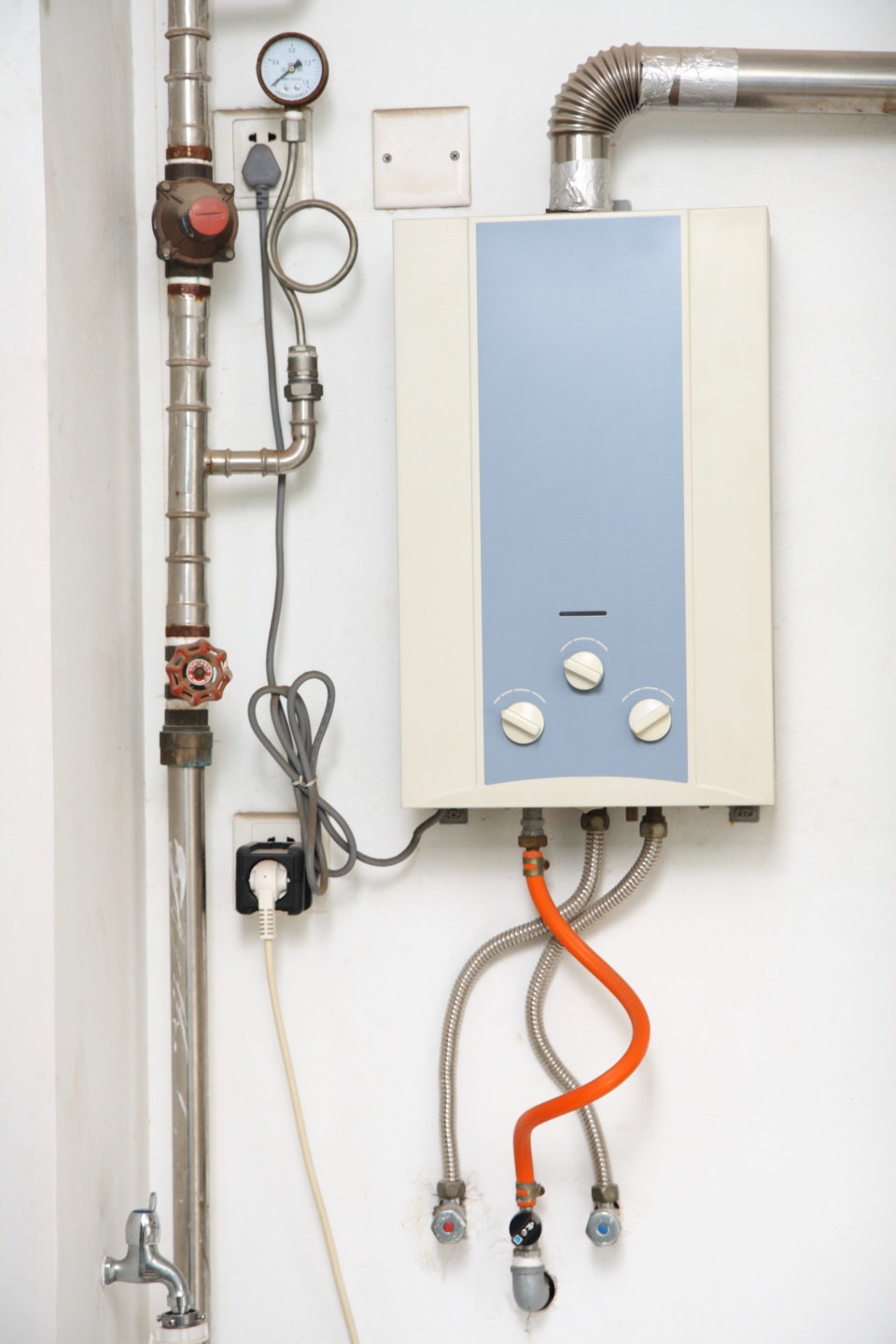
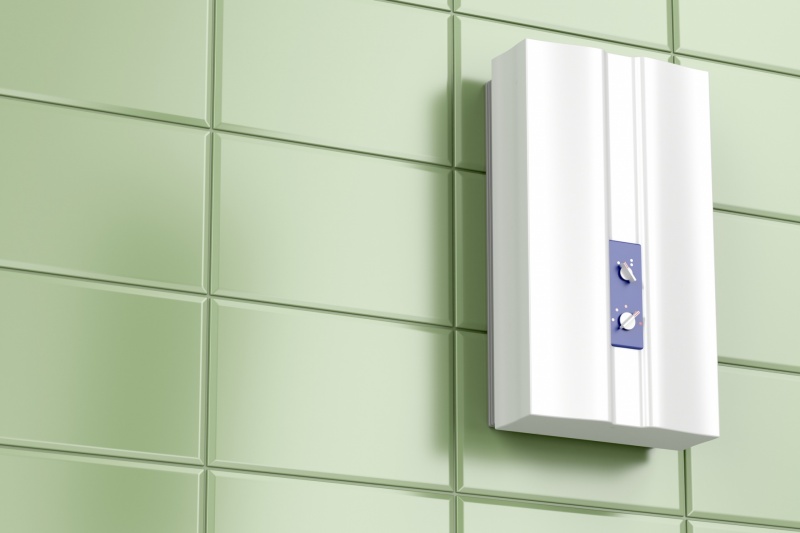
One of the biggest advantages of tankless water heaters is their energy efficiency. Because they only heat water when it’s needed, they eliminate standby energy losses that are common with traditional tank models. This makes them a smart choice for households looking to save on energy bills and reduce wasted energy. Plus, tankless water heaters are typically wall mounted, freeing up valuable space in your home and offering flexible installation options, indoors or outdoors, depending on the model and your climate.
However, there are a few factors to consider before installing a tankless water heater. The initial cost and installation can be higher than with a standard tank water heater, since you may need to upgrade your gas line, add venting, or update electrical wiring. It’s important to choose the right model for your household’s hot water demand, as the flow rate of tankless units can be limited if multiple fixtures are used at once. Regular maintenance is also key to keeping your system running efficiently.
Overall, tankless water heaters offer a modern, efficient solution for water heating. With their ability to provide continuous hot water, save energy, and free up space, they’re an appealing option for many homes. By understanding how these systems work and what’s involved in installation, you can decide if a tankless water heater is the right fit for your household’s needs.
 It’s only August, but that doesn’t mean we can’t be a little early to get you thinking about the cold season. After all, some stores are already putting out Halloween supplies!