October is the best time of the year to plan for a maintenance
inspection and tune-up for the heater in your home, no matter if you use a furnace,
a boiler, a heat pump, or a ductless mini split system. These annual
inspections are essential for a heater to work in top shape, avoid unnecessary
repair work, and stay within manufacturer’s safety limits. It’s not something
you can skip a year here or there.
Fortunately, arranging for this service is straightforward: call a professional Delaware HVAC contractor who offers a maintenance program. Signing up for one of these programs not only provides you with heating maintenance each year, it usually includes air conditioning maintenance in the spring and a raft of other benefits.
We offer a complete HVAC maintenance program for our
customers. If you aren’t signed up, give us a call today so we can get you on the
schedule as soon as possible to inspect and care for your heater before the winter
weather arrives.
Continue Reading
Tags: Delaware, Heating System Maintenance
Posted in Heating | Comments Off on It’s Time for a Planned Inspection of Your Home’s Heater


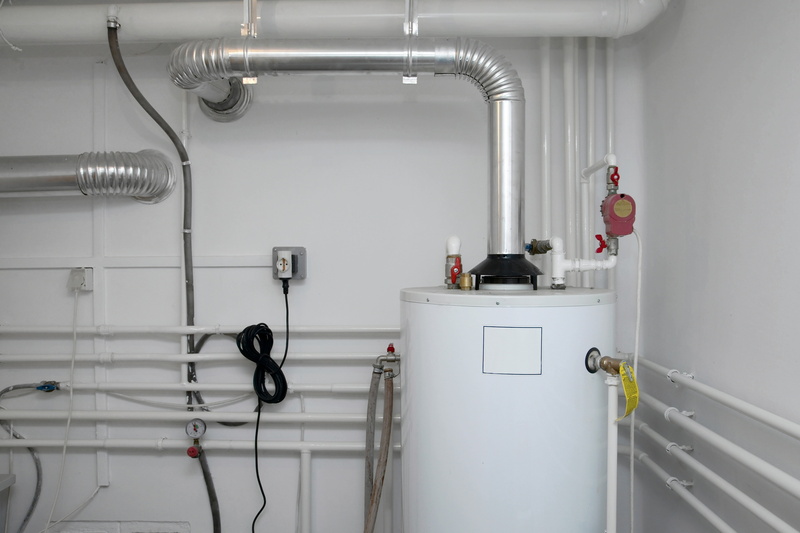


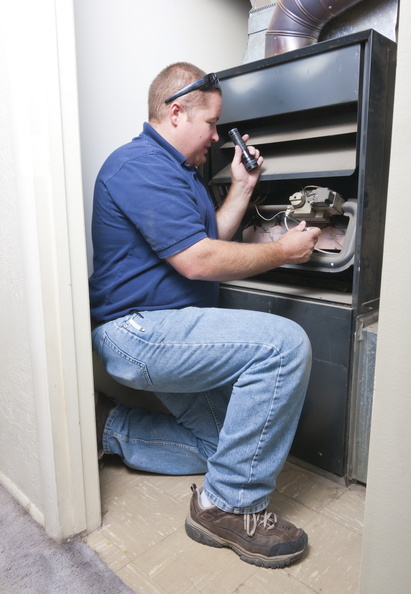
 With the end of winter, we’re seeing temperatures start to improve around here. However, it’s far too soon to be saying that we don’t need our heaters! We’ll be running them for just a bit longer, especially during the night.
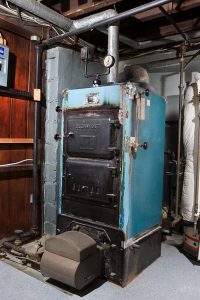 Spring is here, and temperatures will soon be on the rise. If your furnace is starting to give out, you have plenty of time to research your options and think about the features and efficiency ratings of your new furnace or heating system…
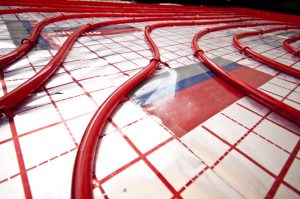 When it comes to heating your home, many people would go with a gas furnace. Why? Simply because it’s popular, easy to install, and it gets the job done.
 Have you ever tried to fix the cause of one problem, only to realize that the problem was due to something else entirely? Sometimes it happens to homeowners with their home heating. In particular, here are three unexpected causes of common heating issues:
 Howling, booming, rattling, whistling…